Independent US menu guide
Updated September 16, 2026
Why Is Wendy’s Stock (WEN) Down? A Plain-English Explainer
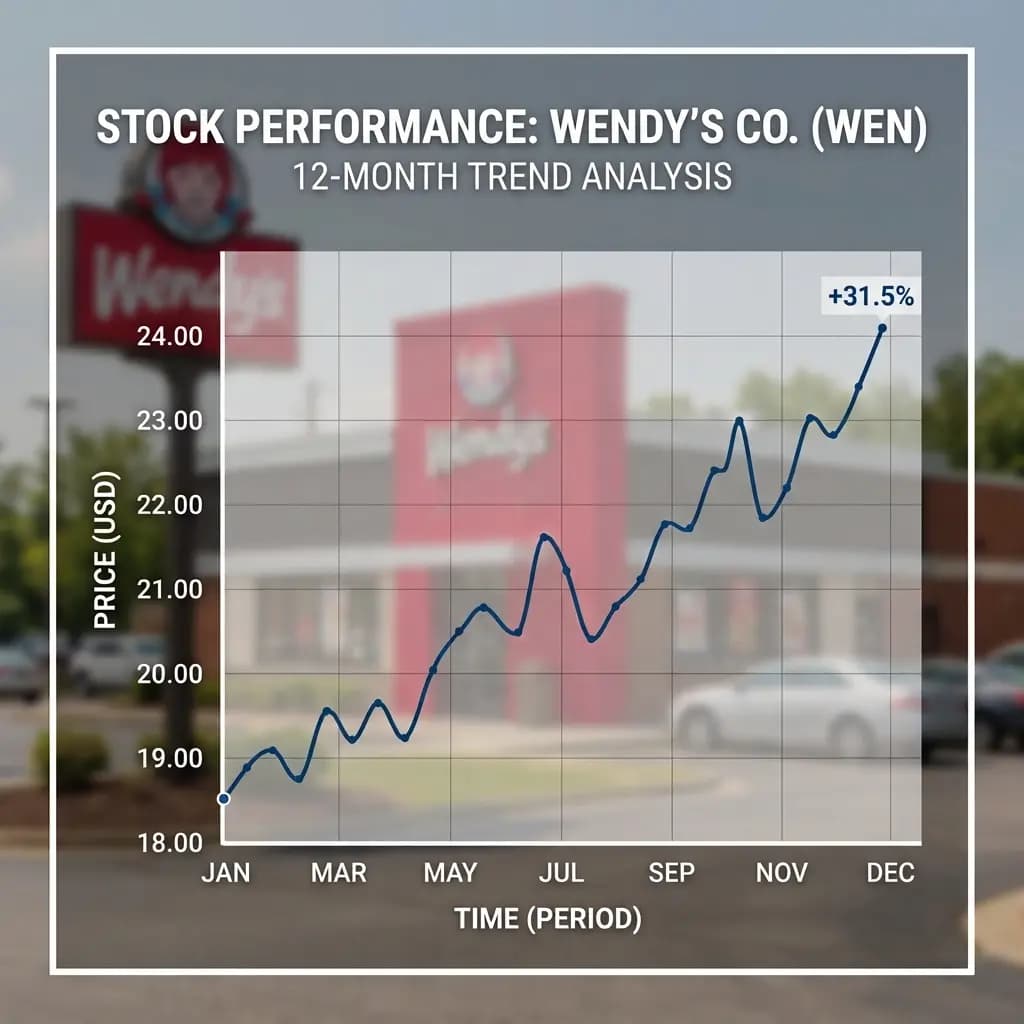
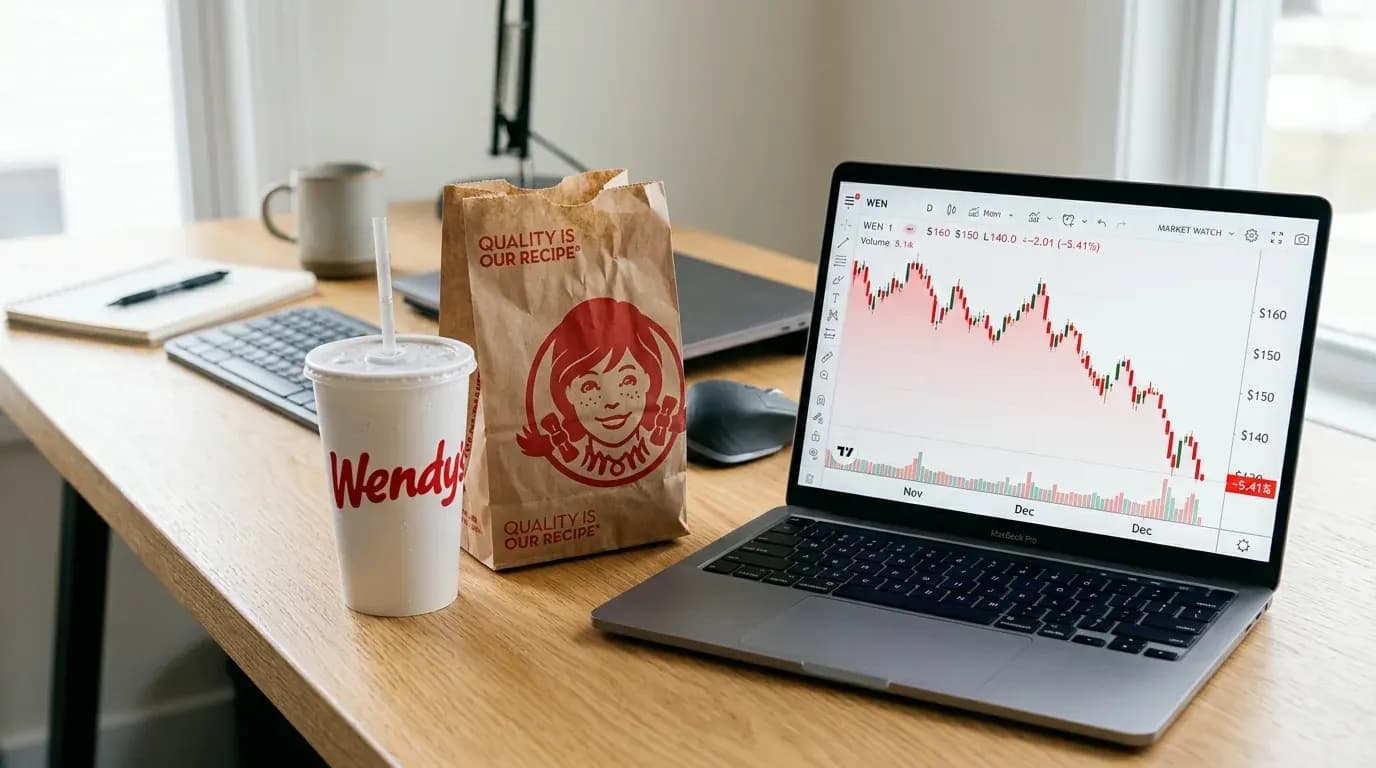
WEN is a public stock. It moves with restaurant traffic, costs, franchise news, and the whole market. A down week is not a secret about your local drive-thru.
In the photo: Why Is Wendys Stock WEN Down. Plating varies by restaurant.
This page is not investment advice. If you wanted ownership basics, who owns Wendy’s and the franchise split are the non-broker versions.
Menu prices on this site are typical US food prices, not a share price. Deals will not explain a ticker.
News headlines compress a year of same-store sales into one arrow. Read a filing if you actually hold the stock.
History pages and menu pages answer different questions. Nothing about the founding year or the Ohio headquarters tells you whether your store has spicy nuggets today, so use the menu hubs when you are actually hungry.
Dave Thomas opened the first restaurant in Columbus in 1969 and named it after his daughter Melinda Lou, nicknamed Wendy. Square patties were his “we don’t cut corners” line. 1969, the name, and why they are square are the three clean facts most people actually wanted.
The Wendy’s Company is publicly traded. Many restaurants are franchised. Hours, some discounts, and Wi-Fi are often local. The parent sets the brand, the core recipes, and the app. Who owns Wendy’s and the franchise split separate those two layers.
Slogans rotate. “Quality is our recipe” is the durable line. “Where’s the beef?” is a famous ad. Neither one is the live menu. If you came for food, this short order list belongs in the car more than a slogan page.
Prices and calories on this page are typical US figures for the standard build. Franchise owners set their own menu prices, so your store can be a dollar off in either direction. When the board and this page disagree, the board wins.
Allergen questions need more than a yes or no. Open the allergen guide for the exact item you plan to eat, then read Wendy’s official chart if the diet is medically required. Shared fryers and shared spoons mix foods even when an ingredient list looks clean.
Ordering is faster when you keep it short. Say the sandwich or the box size, then one change, then sauces and a drink. If you built the ticket in the app, say you have a mobile order and give the name on the bag.
Wendy-Menus is an independent guide. We do not take orders, issue Rewards points, or refund a missing sandwich. The Wendy’s Company and its franchisees run the restaurants.
What this page covers
- Stock moves for many reasons at once.
- This is not investment advice.
- Company performance is not your store’s Frosty machine.
- Food prices here are not share prices.
Quick facts
Names, typical prices, and serving times in one place.
| Name | Details |
|---|---|
| Wendy’s | The restaurant brand (The Wendy’s Company). We are not that company. |
| This site | Wendy-Menus, an independent US menu guide |
What this looks like

| Factor | Impact |
|---|---|
| Value-menu wars | Heavy discounting industry-wide compresses per-item margins |
| Same-store sales | Slower traffic growth pressures revenue expectations |
| Input costs | Beef, labor, and packaging costs squeeze profitability |
| Consumer spending shifts | Inflation-strained consumers cutting back on dining out |
| Investor sentiment | Restaurant sector broadly out of favor during high-rate periods |
If you landed here looking for lunch
Skip the ticker. What to order is the page that belongs in the car.
Where these brand facts come from
The durable facts are simple: Dave Thomas opened the first restaurant in Columbus, Ohio in 1969, the company trades publicly as WEN, and many restaurants are franchised. The facts hub collects the rest of the company questions.
Store counts and stock prices move week to week, so we describe them in ranges rather than posting a number that will be stale by next month. For a statement about a rumor, boycott, or lawsuit, read the company’s own newsroom.
Off-menu names like T-Rex are crew requests for extra beef and bacon. That walkthrough and unofficial builds show how to ask without slowing the line.
A 30-second check before you pull in
Pick your restaurant in the app, then look at three things: whether breakfast is still on, whether Offers has a deal for that store, and whether the item you drove over for still has a tile.
If anyone in the car has a food allergy, say it at the speaker and still treat every fryer as shared. Cooking oils explains why that matters more than the ingredient list.
Wrong food in the bag goes to that restaurant first, then to official guest care with your order number. We cannot remake a Baconator from a laptop.
Common questions
Who writes Wendy-Menus
Publisher: Wendy-Menus editorial (about us). We research the public Wendy’s menu and we are not The Wendy’s Company. Pages start from our archived menu listings and photos. Last reviewed September 16, 2026.
Limits: we do not run restaurants, take payment, or set a franchise’s price, toy, or limited-time item. If this page disagrees with the board at your store, the store is right. Send a correction.