Why Is Wendy’s Stock (WEN) Down? A Plain-English Explainer
Why Is Wendy’s Stock (WEN) Down? A Plain-English Explainer
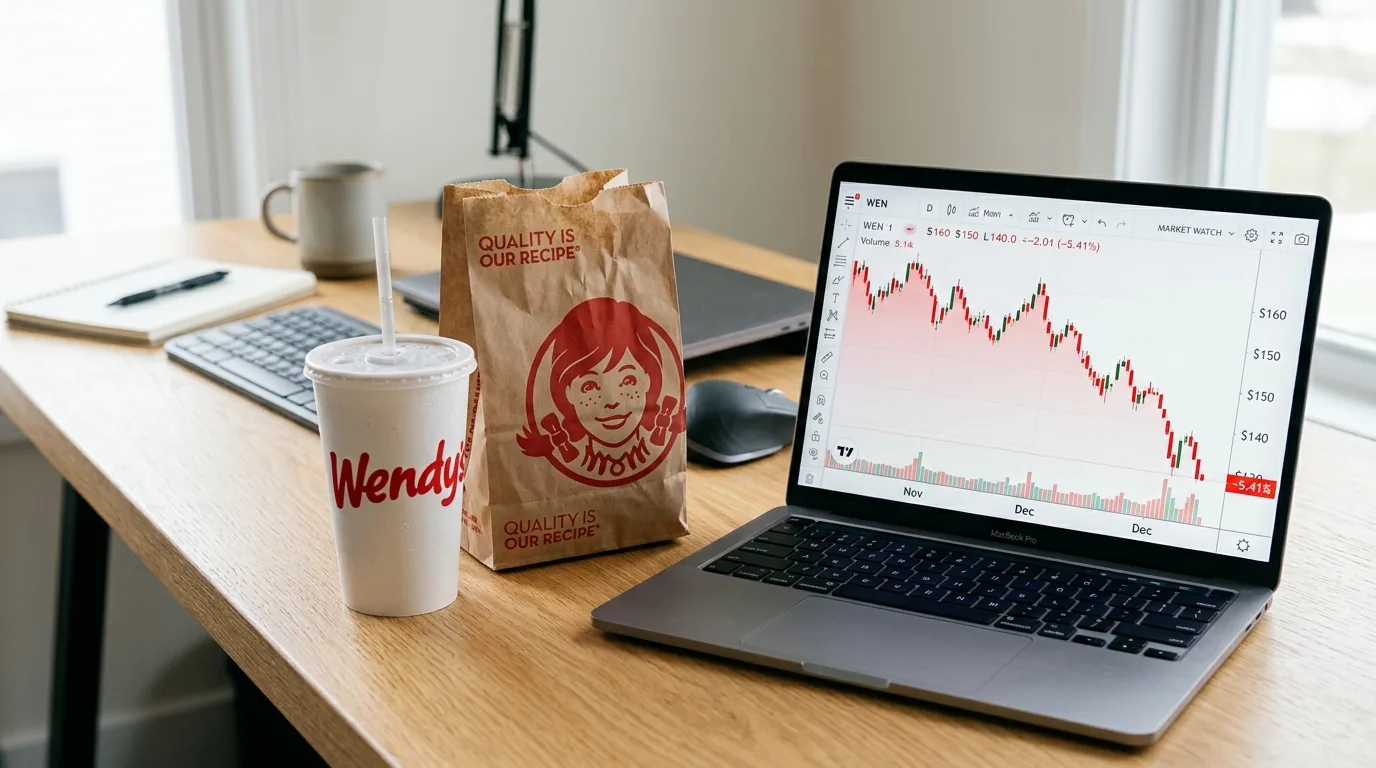
Wendy’s Company stock (Nasdaq: WEN) has traded well below its historical highs in recent years due to a combination of slowing same-store sales growth, intensifying value-menu competition from McDonald’s and Burger King, rising labor and beef input costs squeezing margins, and broader investor caution around fast-food and consumer-discretionary stocks amid inflation-sensitive spending. This is a business and market-conditions story, not a sign that the restaurant chain itself is closing or in operational trouble, which is a distinction worth being clear about since “why is X company’s stock down” searches often get conflated with “is the company failing.”
Key Factors Behind WEN’s Stock Performance
| Factor | Impact |
|---|---|
| Value-menu wars | Heavy discounting industry-wide compresses per-item margins |
| Same-store sales | Slower traffic growth pressures revenue expectations |
| Input costs | Beef, labor, and packaging costs squeeze profitability |
| Consumer spending shifts | Inflation-strained consumers cutting back on dining out |
| Investor sentiment | Restaurant sector broadly out of favor during high-rate periods |
Is Wendy’s Losing Money?
A lower stock price does not automatically mean a company is unprofitable; it typically reflects investor expectations about future growth relative to the current share price, dividend, and broader market conditions. Wendy’s has continued operating, opening new franchise locations, and paying dividends during periods when its stock price has been under pressure, which is a different situation from a company facing bankruptcy or closure. That said, persistent stock weakness can affect a company’s cost of capital and its ability to fund expansion as cheaply as it could when shares traded higher.
Why Meme-Stock and Short-Squeeze Chatter Has Surrounded WEN
Because WEN has traded at historically low price levels relative to its past highs, it has periodically attracted attention from retail trading communities looking for potential short-squeeze setups, similar to other historically beaten-down but still-operating consumer brands. This kind of speculative trading activity can cause short-term price spikes unrelated to the company’s underlying restaurant business performance, and it’s worth distinguishing sharp short-term trading volatility from the slower-moving, fundamentals-driven trend in the stock over the longer term.
What This Means for Customers and Franchisees
Stock price performance has little direct bearing on your experience ordering food at a Wendy’s location, since day-to-day restaurant operations are run by franchisees under long-term agreements largely independent of short-term share price swings. For franchisees, a lower stock price for the parent company doesn’t automatically translate to worse terms, though broader financial pressure on the corporate parent can eventually influence marketing budgets, remodeling support programs, or new unit growth incentives over time.
Common Misconceptions
- “A falling stock price means Wendy’s restaurants are closing.” False. Restaurant closures are typically driven by individual franchisee performance and lease decisions, not directly by the parent company’s stock price.
- “Wendy’s is going bankrupt because the stock is down.” Not supported by the available evidence; a depressed stock price reflects investor sentiment and growth expectations, not necessarily insolvency.
- “Stock price reflects food quality or service.” False. Stock performance is driven by financial metrics, competitive dynamics, and investor sentiment, not a direct customer satisfaction score.
Related Wendy’s Guides
Sources & Further Reading
- The Wendy’s Company — Wikipedia
- WEN stock quote — official Nasdaq listing
- r/stocks discussion on WEN
Frequently Asked Questions
Why has Wendy’s stock been trading low recently?
A combination of slower same-store sales growth, heavy value-menu competition, rising input costs, and cautious investor sentiment toward restaurant stocks has weighed on the share price.
Does a low stock price mean Wendy’s restaurants are closing?
No, restaurant openings and closures are driven by individual franchisee and corporate real estate decisions, not directly by the parent company’s stock price.
Is Wendy’s Company profitable?
Wendy’s has continued to generate revenue and pay dividends during periods of stock price weakness, though profitability can fluctuate with input costs and sales trends like any restaurant company.
Why do traders talk about a Wendy’s short squeeze?
Because WEN has traded at historically low levels, it has periodically drawn retail trading interest looking for a potential short-squeeze setup, which can cause short-term price volatility unrelated to restaurant operations.
